


Projects that need tighter openings can use a mini chain link fence. Mini mesh uses smaller apertures, such as 25.4, 15.9 or 12.7 mm. Grade 316 stainless steel can combine improved chloride resistance with a smaller diamond opening.
This guide compares SS304, SS316 and SS316L. It also explains mesh size, wire gauge, roll dimensions, edge finishes and applications. A real quotation example for Girraween, New South Wales, shows how buyers can specify fence rolls and matching tie wire.
- Typical material choices: SS304, SS316 and SS316L stainless steel.
- Mesh opening options: 50.8 mm standard mesh down to special-order 6.35 mm mini mesh.
- Important dimensions: aperture, actual wire diameter, roll height, roll length and selvage.
- Australian terminology: “chain wire fencing” and “chain mesh” often mean chain link fencing.


What Is a Stainless Steel Chain Link Fence?
A stainless steel chain link fence consists of interwoven spiral wires. The spirals create an open diamond pattern and form a continuous fencing fabric. Installers stretch this fabric between correctly designed fence posts and rails.
The stainless steel surface forms a protective chromium-rich passive layer. Appropriate grade selection and routine cleaning help maintain corrosion resistance. Salt deposits, chemical exposure and trapped contamination still require attention. Stainless steel is corrosion-resistant, not completely corrosion-proof.
For large boundary fences, 50 × 50 mm or roughly 2-inch openings provide a familiar starting point. Smaller openings can limit footholds and reduce the passage of selected objects. The actual opening and wire diameter must match the site’s requirements.
Product video: stainless steel chain wire fencing and mesh construction.
Stainless Steel Chain Link Fence Grades: SS304, SS316 and SS316L
Material grade influences the durability and total ownership cost of a stainless steel chain link fence. SS304 works well in many ordinary outdoor settings. SS316 contains molybdenum, which improves resistance to chloride-related pitting.
SS316L contains less carbon than SS316. That difference can help protect welded components against sensitization. For unwelded wire fabric, SS316L does not automatically provide greater general corrosion resistance than SS316.
| Stainless Steel Grade | Description | Recommended Use |
|---|---|---|
| SS304 | General stainless steel grade with good corrosion resistance | Outdoor fencing, commercial areas, general industrial use |
| SS316 | Higher corrosion resistance due to molybdenum content | Coastal, marine, chemical, poolside, and high-corrosion environments |
| SS316L | Low-carbon version of SS316; especially useful for welded components | Welded components in marine, chemical, wastewater and food-processing projects |
When Should You Choose SS316 Stainless Steel Chain Link Fence?
Choose SS316 for many salt-exposed or highly humid locations. Examples include coastal sites, pool facilities and wastewater infrastructure. More aggressive chemicals or direct seawater exposure may require additional assessment. Stainless steel grade alone does not guarantee performance in every environment.
For additional technical background, read the International Molybdenum Association’s guidance on 304 and 316 stainless steel.


What Is Mini Stainless Steel Chain Link Fence?
A mini stainless steel chain link fence uses the same woven diamond construction as standard fabric. However, it has a smaller nominal aperture. Common project sizes include 1 inch, 5/8 inch, 1/2 inch, 3/8 inch and 1/4 inch.
Smaller mesh can make footholds harder to find. It can also reduce the passage of selected animals, tools and debris. Nevertheless, no mesh opening is automatically cut-proof, climb-proof or escape-proof. Security and animal containment depend on the complete fence design.


Common Names for Small-Aperture Stainless Steel Chain Link Fence
- Mini mesh chain wire fence
- Small aperture chain wire fence
- Small diamond mesh fence
- Anti-climb chain wire mesh
- Security chain link mesh
- Small opening chain wire fencing
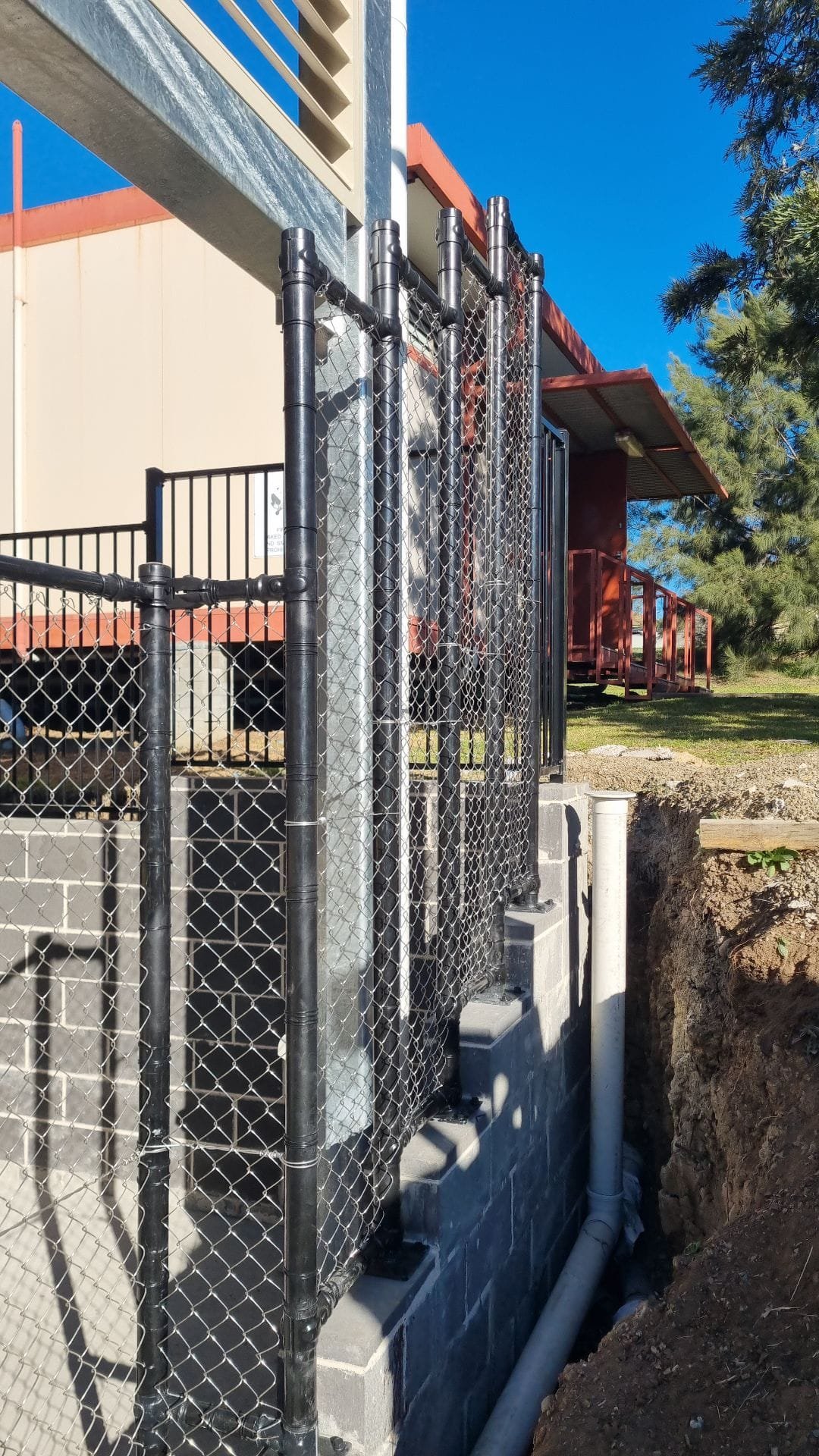
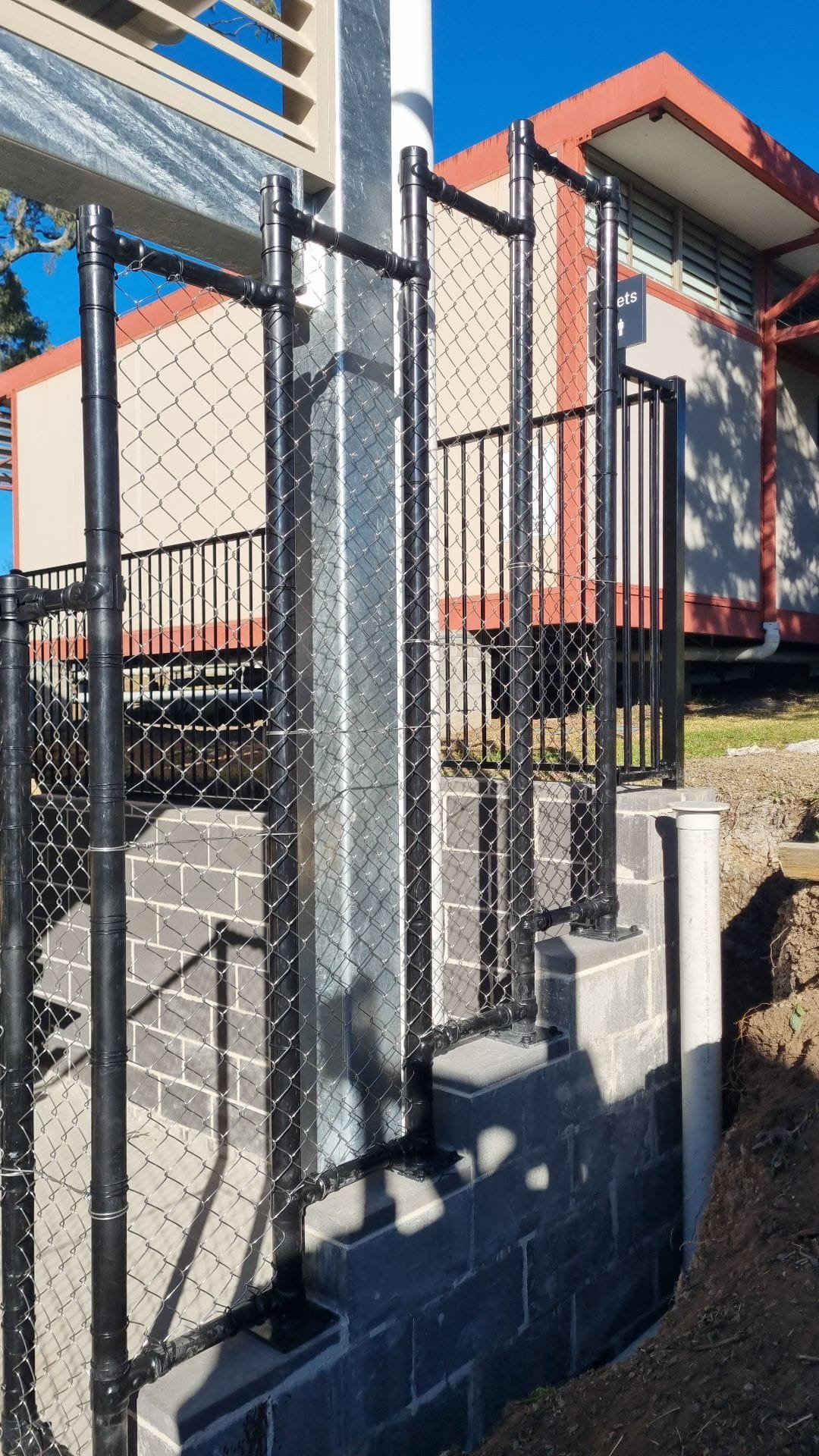
Sydney Customer Photo Feedback
These original customer photos provide a visual reference for mesh appearance and installation. Confirm the wire diameter and aperture against the project quotation before purchasing.
Stainless Steel Chain Link Fence vs. Mini Mesh: Key Differences
Stainless steel describes the material. Mini mesh describes the opening size. They are not competing material categories. Buyers can specify ordinary stainless steel mesh or combine stainless steel with smaller openings.
| Item | Stainless Steel Chain Wire Fence | Anti-Climb Chain Wire Mesh |
|---|---|---|
| Main Feature | Corrosion resistance | Small aperture security |
| Material | SS304, SS316, SS316L | Galvanized steel, PVC coated steel, or stainless steel |
| Mesh Opening | Usually 2″, 1-3/4″, 1″, or custom | Usually 1″, 5/8″, 1/2″, 3/8″, 1/4″ |
| Main Application | Marine, coastal, industrial, high-corrosion areas | Security, anti-climb, animal enclosure, restricted areas |
| Cost | Higher than galvanized steel | Higher than standard 2″ chain wire mesh due to smaller mesh |
| Best Combination | SS316 + small aperture mesh | Stainless steel mini mesh fence |
A standard stainless steel fabric may offer sufficient durability for a basic coastal boundary. Smaller openings are worth considering when the project requires improved foothold control or limits on object passage. Engineering, post spacing and gates remain essential.
Stainless Steel Chain Link Fence Mesh Sizes and Wire Diameters
Aperture and wire diameter are the two primary fabric dimensions. Common diamond openings range from 50.8 mm to 6.35 mm. Smaller openings usually require more weaving operations and can increase cost per square metre.
The following table keeps the original specification options. These are illustrative combinations, not guaranteed stock sizes. Very tight mesh, especially 1/4-inch fabric, needs production confirmation.


| Mesh Aperture in Inch | Mesh Aperture in mm | Common Wire Gauge | Wire Diameter in mm | Common Material Options | Typical Use |
|---|---|---|---|---|---|
| 2″ × 2″ | 50.8 × 50.8 mm | 12 ga | 2.67 mm | Galvanized, PVC coated, SS304, SS316 | Standard fencing |
| 2″ × 2″ | 50.8 × 50.8 mm | 11 ga | 3.05 mm | Galvanized, PVC coated, SS304, SS316 | Commercial fencing |
| 2″ × 2″ | 50.8 × 50.8 mm | 9 ga | 3.76 mm | Galvanized, PVC coated, SS304, SS316 | Heavy-duty fencing |
| 1-3/4″ × 1-3/4″ | 44.5 × 44.5 mm | 11 ga | 3.05 mm | Galvanized, PVC coated, stainless steel | Commercial / sports fencing |
| 1-1/4″ × 1-1/4″ | 31.8 × 31.8 mm | 11 ga | 3.05 mm | Galvanized, PVC coated, SS304, SS316 | Security fencing |
| 1″ × 1″ | 25.4 × 25.4 mm | 12 ga | 2.67 mm | Galvanized, PVC coated, SS304, SS316 | Small aperture security |
| 1″ × 1″ | 25.4 × 25.4 mm | 11 ga | 3.05 mm | Galvanized, PVC coated, SS304, SS316 | Anti-climb fencing |
| 3/4″ × 3/4″ | 19.1 × 19.1 mm | 13 ga | 2.41 mm | Galvanized, PVC coated, stainless steel | Animal enclosure / security |
| 5/8″ × 5/8″ | 15.9 × 15.9 mm | 14 ga | 2.03 mm | Galvanized, PVC coated, stainless steel | Small Diamond Mesh Fence |
| 5/8″ × 5/8″ | 15.9 × 15.9 mm | 13 ga | 2.41 mm | Galvanized, PVC coated, SS316 | Stronger mini mesh |
| 1/2″ × 1/2″ | 12.7 × 12.7 mm | 14 ga | 2.03 mm | Galvanized, SS304, SS316 | High-security mini mesh |
| 1/2″ × 1/2″ | 12.7 × 12.7 mm | 13 ga | 2.41 mm | Galvanized, SS316 | Heavy mini chain link fence |
| 3/8″ × 3/8″ | 9.5 × 9.5 mm | 16 ga | 1.63 mm | Galvanized, SS304, SS316 | Very small aperture mesh |
| 3/8″ × 3/8″ | 9.5 × 9.5 mm | 14 ga | 2.03 mm | Stainless steel | Heavy small aperture security |
| 1/4″ × 1/4″ | 6.35 × 6.35 mm | 16 ga | 1.63 mm | Stainless steel special order | Ultra-small aperture security |
| 1/4″ × 1/4″ | 6.35 × 6.35 mm | 14 ga | 2.03 mm | Stainless steel special order | Heavy-duty special security |
How to read the table: nominal aperture describes the opening, not the outside diamond dimensions. Ask the supplier to confirm the measurement method and tolerance. For PVC-coated material, clarify whether the listed wire diameter refers to the steel core or the finished coating.
Wire Gauge Conversion Chart for Chain Wire Fencing
Chain link fence buyers often use gauge numbers instead of millimetres. A lower gauge number usually means a thicker wire. However, gauge systems are not universal. Always state the required diameter in millimetres or inches.
| Wire Gauge | Wire Diameter in Inch | Wire Diameter in mm |
|---|---|---|
| 6 ga | 0.192″ | 4.88 mm |
| 9 ga | 0.148″ | 3.76 mm |
| 10 ga | 0.135″ | 3.43 mm |
| 11 ga | 0.120″ | 3.05 mm |
| 11.5 ga | 0.113″ | 2.87 mm |
| 12 ga | 0.105″ | 2.67 mm |
| 12.5 ga | 0.099″ | 2.51 mm |
| 13 ga | 0.095″ | 2.41 mm |
| 14 ga | 0.080″ | 2.03 mm |
| 16 ga | 0.064″ | 1.63 mm |
The figures above follow familiar North American chain-link fence wire conventions. They should not be confused with American Wire Gauge (AWG) tables used for electrical conductors. For example, 11-gauge chain-link fence wire is commonly listed as 3.05 mm.
Recommended Stainless Steel Chain Link Fence Specifications by Application
Use the options below as starting points. Final selection depends on corrosion exposure, the required security level, fence height, wind load and local installation rules. The installer should confirm the support frame and posts.
| Application | Recommended Material | Mesh Aperture | Wire Diameter | Gauge |
|---|---|---|---|---|
| General outdoor fencing | SS304 | 2″ / 50.8 mm | 2.67 mm | 12 ga |
| Commercial fencing | SS304 / SS316 | 2″ / 50.8 mm | 3.05 mm | 11 ga |
| Coastal fencing | SS316 | 2″ / 50.8 mm | 3.05 mm | 11 ga |
| Marine fencing | SS316 / SS316L | 1″ / 25.4 mm | 2.67 mm | 12 ga |
| Security fencing | SS316 | 1″ / 25.4 mm | 3.05 mm | 11 ga |
| Mini chain link fence | SS316 | 5/8″ / 15.9 mm | 2.03 mm | 14 ga |
| High-security mini mesh | SS316 | 1/2″ / 12.7 mm | 2.03 mm | 14 ga |
| Very small aperture mesh | SS316 / SS316L | 3/8″ / 9.5 mm | 1.63 mm | 16 ga |
| Ultra-small aperture mesh | SS316L | 1/4″ / 6.35 mm | 1.63 mm | 16 ga |
Production note: Fine apertures with heavy wire can be difficult to manufacture. Before approval, request a production drawing, sample and written confirmation of the feasible aperture-to-wire ratio.
Common Roll Sizes and Packaging
Roll dimensions affect freight costs, material handling and site installation. Common roll heights range from 900 mm to 3000 mm. Some suppliers offer 10 m, 15 m, 20 m, 25 m, 30 m or 50 m lengths.
Shorter rolls can be easier to handle when the fabric has a dense mini mesh or heavy wire. Project-specific packaging can protect the mesh during export and inland transport.
| Item | Common Specification |
|---|---|
| Roll Height | 900 mm, 1200 mm, 1500 mm, 1800 mm, 2100 mm, 2400 mm, 3000 mm |
| Roll Length | 10 m, 15 m, 20 m, 25 m, 30 m, 50 m |
| Selvage Type | Knuckle/Knuckle or Knuckle/Twist |
| Surface Finish | Natural stainless steel (for stainless steel fabric) |
| Packing | Wrapped in plastic film, woven bags, or palletized rolls |
For a stainless steel chain link fence, specify the roll height and length separately. Also confirm packing method, gross weight, net weight and the number of rolls per pallet. Long rolls may require special handling.
Selvage Options: Knuckle vs. Twist
Selvage is the finish along the top and bottom of the woven fabric. It affects handling, appearance and access control. Different projects may require different edge treatments.
| Selvage Type | Description | Use |
|---|---|---|
| Knuckle / Knuckle | Both top and bottom edges are folded back safely | Schools, parks, residential areas, public areas |
| Knuckle / Twist | One edge folded, one edge twisted with sharp points | Security fencing, industrial areas |
| Twist / Twist | Both edges twisted | High-security projects, special order |
Knuckle/Knuckle finishes fold both ends back and reduce exposed sharp points. Knuckle/Twist finishes leave one edge twisted. Twist/Twist finishes require careful placement and a project-specific safety review.
For public spaces, choose an edge design suited to user contact. Do not treat a twisted edge as a substitute for a properly designed security barrier.
Why Choose Stainless Steel Chain Link Fence in Coastal Areas?
A properly specified stainless steel chain link fence can reduce the need for coating repairs. This makes it attractive near sea spray, swimming pools and industrial facilities. The higher initial material cost may be justified by lower maintenance needs.
Practical Advantages of Stainless Steel Chain Link Fence
- Strong resistance to many outdoor corrosion conditions
- Natural metallic appearance without a zinc or PVC coating
- Flexible diamond mesh suitable for long fence runs
- Multiple wire diameters and aperture choices
- Matching stainless steel tie wire and selected accessories
- Lower risk of coating damage compared with coated fabrics
Keep contamination and salt accumulation under control. The right grade, correct detailing and cleaning all influence long-term results.
Mini Stainless Steel Chain Link Fence for Anti-Climb Applications
Small-aperture chain link mesh reduces large footholds and may increase the effort needed to pass objects through the fence. Security performance also depends on the wire, height, posts, gate details and anchorage.
High-security designs should follow a suitable project specification. ASTM F2611 offers guidance for chain-link security fence design. It does not mean every mini mesh product is automatically certified to this standard.


Benefits of Small-Aperture Stainless Steel Chain Link Fence
- Limits hand and foot access through selected openings
- Helps restrict passage of suitably sized objects and animals
- Offers a denser visual and physical barrier
- Combines with SS316 wire where chloride exposure matters
- Provides design flexibility for industrial and restricted sites
Where to Use Stainless Chain Wire Fencing
Use corrosion-resistant chain link where moisture, salt or industrial contaminants make maintenance important. Mini mesh may also help when openings must be small. Consider these applications:
- Coastal sites: boundaries near sea spray or salty air
- Marine facilities: perimeter fencing around selected service areas
- Commercial and industrial sites: general property protection
- Water-treatment infrastructure: outdoor plant and equipment boundaries
- Security perimeters: restricted access with a designed fence system
- Animal enclosures: mesh selected for species, strength and containment needs
- Public infrastructure: site-specific protection near transport and utility assets
Animal enclosures may instead require flexible stainless steel rope mesh. Compare zoo fencing options, zoo mesh products and stainless steel wire rope mesh fencing. Rope mesh and diamond-weave chain link are different constructions.
How to Select a Stainless Steel Chain Link Fence
Start with the environment, then choose an aperture and wire diameter. Confirm the supporting fence system before ordering.
- Check exposure. Identify sea spray, pool chemicals, chemical cleaning and industrial pollution.
- Choose a grade. Compare SS304 with SS316. Select SS316L when welded construction justifies it.
- Specify mesh size. Use standard openings for basic boundaries or smaller openings for defined access needs.
- Confirm wire thickness. State the nominal diameter in millimetres, not only gauge.
- Choose roll dimensions. Confirm height, length, weight and packing.
- Choose selvage. Match edge finish to public safety and perimeter requirements.
- Confirm accessories. Specify tie wire, tension bars, posts and compatible fittings.
- Request drawings. Check tolerances, samples, support spacing and local project requirements.
General Boundary Fencing
Starting option: 50.8 mm / 2-inch mesh, 2.67 mm or 3.05 mm wire, SS304. Galvanized steel is a separate lower-cost option where suitable.
Stainless Steel Chain Link Fence for Coastal and Marine Sites
Starting option: SS316, 50.8 mm / 2-inch mesh, 3.05 mm wire. Assess additional exposure from splashing seawater, chemical deposits and cleaning agents.
Security Fencing with Smaller Apertures
Starting option: SS316, 25.4 mm / 1-inch mesh and 2.67–3.05 mm wire. Check the full fence system against security objectives.
Mini Chain Link Fence for Small Openings
Starting option: 15.9 mm / 5/8-inch or 12.7 mm / 1/2-inch mesh. Consider 2.03 mm or 2.41 mm wire, subject to production feasibility.
Ultra-Small Stainless Steel Chain Link Fence Mesh
Starting option: 9.5 mm / 3/8-inch or 6.35 mm / 1/4-inch mesh, with suitable fine wire. Confirm manufacturability before final design approval.
Quotation Specification Examples
Clear specifications reduce pricing errors and manufacturing delays. The two examples below cover standard fabric and smaller-aperture fabric.
Standard SS316 Stainless Steel Chain Link Fence
Product: Stainless Steel Chain Link Fence
Material: SS316 stainless steel wire
Mesh Aperture: 50.8 × 50.8 mm / 2 × 2 inches
Wire Diameter: 3.05 mm / 11 gauge
Roll Height: 1800 mm
Roll Length: 15 m
Selvage: Knuckle / Knuckle
Surface Finish: Natural stainless steel
Application: Coastal, marine, industrial or commercial fencing
Packing: Wrapped rolls, with pallets if required
SS316 Mini Stainless Steel Chain Link Fence
Product: Mini Stainless Steel Chain Link Fence
Material: SS316 stainless steel wire
Mesh Aperture: 12.7 × 12.7 mm / 1/2 × 1/2 inches
Wire Diameter: 2.03 mm / 14 gauge
Roll Height: 1800 mm
Roll Length: 10 m
Selvage: Knuckle / Knuckle
Surface Finish: Natural stainless steel
Application: Small-aperture security or animal enclosure
Packing: Wrapped rolls, with pallets if required
Note: Mesh/wire combination subject to production confirmation
Australian Stainless Steel Chain Link Fence Quotation Example
The following quotation example concerns Grade 316 stainless steel chain wire fencing for Girraween, New South Wales. The customer requested fence fabric and matching Grade 316 tie wire. The original quotation used a door-delivery price basis.
Project destination: 90–94 Toongabbie Road, Girraween, NSW, Australia.
Fence details: 50 × 50 mm mesh; 2.5 mm wire; five rolls measuring 10 m long × 2.1 m high. Total fence length was 50 m, equal to 105 m² of fabric.
SS316 Stainless Steel Chain Link Fence Pricing Breakdown
The following prices belong to the original quotation example. They are not live market prices or a current offer.
| Item | Description / Specification | QTY | Unit | DDU Price to 90–94 Toongabbie Road, Girraween, NSW | Total Amount |
|---|---|---|---|---|---|
| 1 | Chain Wire Fencing Material: Stainless Steel Grade 316 Wire Diameter: 2.5 mm Mesh Size / Spacing: 50 × 50 mm Roll Dimension: 10 m × 2.1 m Roll Length: 10 m / roll |
5 rolls | 50 m | USD 72.00 / m | USD 3,600.00 |
| 2 | Tie Wire Material: Stainless Steel Grade 316 Wire Diameter: 1.57 mm |
150 m | m | USD 0.12 / m | USD 18.00 |
| 3 | Tie Wire Material: Stainless Steel Grade 316 Wire Diameter: 3.15 mm |
150 m | m | USD 0.39 / m | USD 58.50 |
| Total | USD 3,676.50 |
The quoted fence fabric cost USD 3,600.00 (50 m × USD 72.00/m). Matching tie wire added USD 18.00 and USD 58.50. The quoted combined total was USD 3,676.50.
Trade term note: The original quotation uses “DDU,” a legacy term. New quotations should confirm the intended Incoterms® 2020 rule and responsibilities for import duties and taxes.
Australian Project Summary
| Item | Details |
|---|---|
| Product Type | Stainless Steel Chain Wire Fencing |
| Material Grade | Stainless Steel Grade 316 |
| Main Fence Wire Diameter | 2.5 mm |
| Mesh Aperture | 50 × 50 mm |
| Roll Size | 10 m × 2.1 m |
| Total Fence Length | 50 m |
| Accessories | Stainless Steel Grade 316 Tie Wire |
| Delivery Term | DDU Door Delivery |
| Delivery Address | 90–94 Toongabbie Road, Girraween, NSW, Australia |
| Total Order Value | USD 3,676.50 |
Why the Customer Specified Grade 316 Stainless Steel Chain Wire
The customer requested a corrosion-resistant material and matching installation wire. The specified 2.1 m roll height supported a practical delivery format. These details can help buyers compare similar projects, although actual site performance depends on installation and exposure.
| Advantage | Description |
|---|---|
| High Corrosion Resistance | Grade 316 stainless steel provides better corrosion resistance than common galvanized steel, especially in outdoor and high-moisture environments. |
| Long Service Life | Stainless steel chain wire fencing is suitable for projects requiring durable, low-maintenance fencing. |
| Clean Appearance | Natural stainless steel finish provides a professional and modern appearance. |
| Complete Matching Accessories | The quotation included matching stainless steel tie wire for easier installation. |
| Door Delivery Quotation | The price was calculated on a DDU basis to the customer’s nominated address in NSW, Australia. |
The quotation example demonstrates the importance of a complete materials list. Quote both the chain link fabric and the accessories. Also state the destination and the delivery rule to reduce misunderstandings.

Installation and Maintenance of Stainless Steel Chain Link Fence
A stainless steel chain link fence needs sound posts, consistent fabric tension and compatible accessories. Check foundations, corner bracing, gates and top rails against wind and security requirements. The fabric should not substitute for a properly engineered supporting structure.
Use compatible fittings where possible. Avoid contamination from carbon-steel tools and trapped deposits. Rinse salt-contaminated surfaces with fresh water when practical. Inspect fittings, tension and damaged sections during routine maintenance.
If a design requires a different mesh system, compare stainless steel ferrule cable mesh, flexible stainless steel cable netting and X-tend mesh.
Frequently Asked Questions: Grades, Gauges and Mesh
Is SS316 Better Than SS304 for Coastal Fencing?
SS316 usually provides better resistance to chloride pitting because it contains molybdenum. The best choice still depends on salt exposure, cleaning and overall fence detailing.
Does SS316L Last Longer Than SS316?
Not necessarily. SS316L has a lower carbon content, which helps certain welded components. For ordinary unwelded chain link wire, general corrosion resistance is broadly similar.
What Is the Best Mesh Size for a Stainless Steel Chain Link Fence?
A 50 × 50 mm opening works for many general applications. A 25.4 mm or smaller opening may suit projects needing tighter access control. Confirm the intended application and security design.
Is Mini Chain Link Mesh Completely Anti-Climb?
No. Smaller apertures can reduce available footholds, but climbing resistance depends on the full system. Fence height, supports, toppings and gates also matter.
Can Stainless Steel Chain Wire Fencing Be Used for Animals?
Yes, when the aperture, wire strength and edge finish suit the species. Some enclosures require a different solution. See our stainless steel zoo mesh specifications for a rope-mesh alternative.
How Do I Compare Gauge Sizes Across Suppliers?
Request the actual wire diameter in millimetres. Gauge references differ across wire industries and markets. Millimetre specifications make quotations easier to compare.
What Information Do I Need for a Stainless Steel Chain Link Fence Quote?
Share material grade, mesh aperture, wire diameter, roll height, roll length, required quantity, selvage, destination and delivery term. Add drawings and accessory details when available.
Request a Stainless Steel Chain Link Fence Quotation
For an accurate quotation, send your project dimensions and application requirements. Our team can review SS304, SS316, SS316L and mini-mesh options for production feasibility.
Please include: material grade; mesh opening; wire diameter; roll height and length; quantity; edge finish; accessories; delivery address or port; and any project standards.
Contact: sales@ropemesh.com.au. You can also use the website contact page to send specifications and request pricing.
Conclusion: Stainless Steel Chain Link Fence Buying Guide
A stainless steel chain link fence can provide durable, flexible boundary fencing when the grade suits the environment. SS304 suits many general outdoor sites. SS316 is usually preferable where chloride exposure is important. SS316L deserves consideration for welded components.
For smaller openings, mini chain link fabric adds another design option. Confirm aperture, wire thickness, roll format and full fence-system requirements before purchasing. A clear specification supports accurate quotes, efficient installation and reliable long-term performance.


